

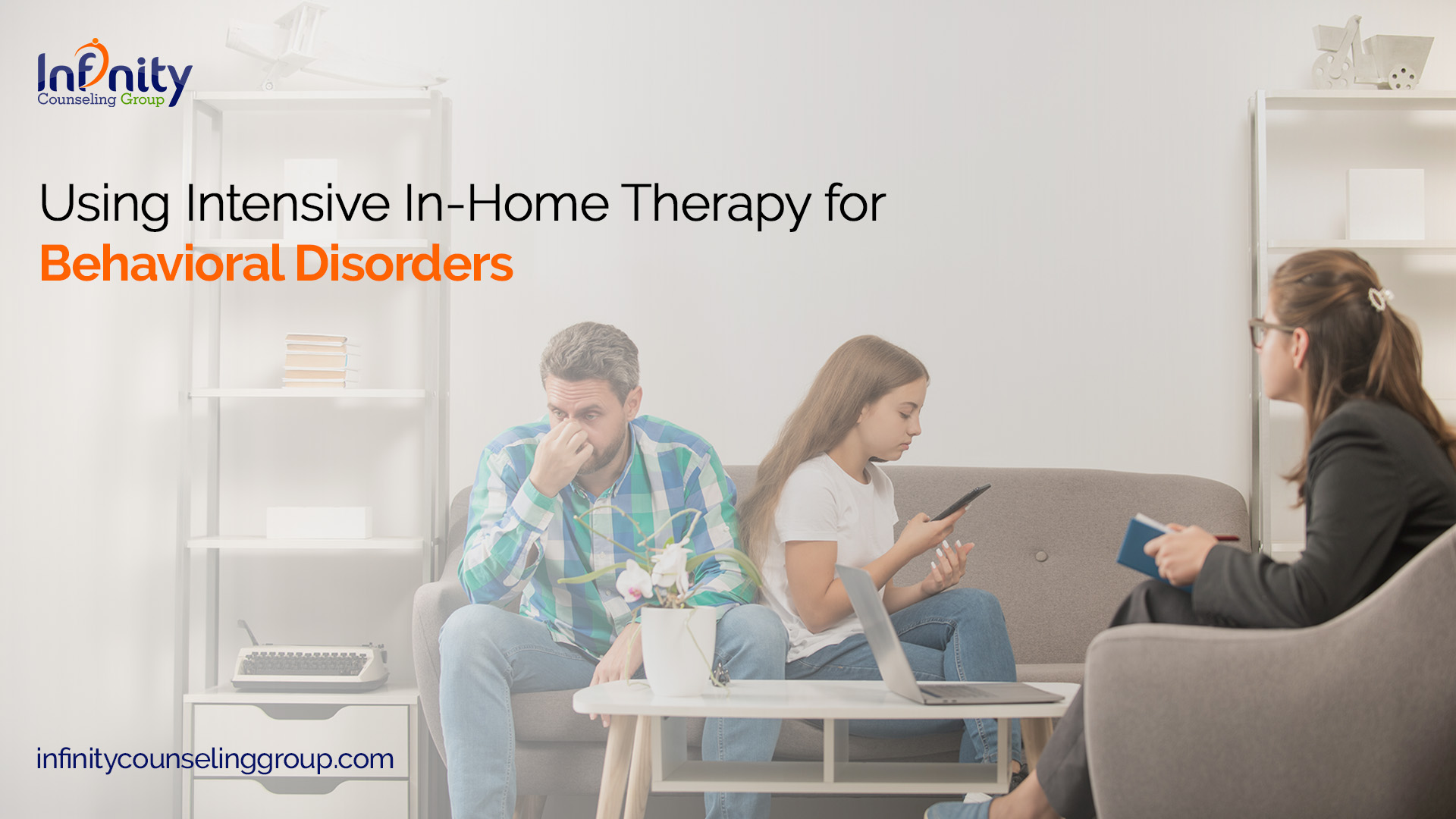
Understanding these challenges is the first step in managing behavior at home. The next step is knowing how the right support works when behavioral problems arise. Many families try different options but still struggle with day-to-day situations, emotional outbursts, or fights that never end.
In-Home Therapy for Behavioral Disorders offers a more practical way forward by bringing structured support directly into the home, where real change needs to happen.
What Is Intensive In-Home Therapy?
Intensive In-Home Therapy (IIH) is a specialized, short-term, and high-frequency mental health service that is provided directly to children, teens, and their families at home. It focuses on stabilizing crises, improving family relationships, and providing skills training to prevent out-of-home placement.
This form of therapeutic intervention is designed to improve regular routines, strengthen relationships, and build long-term stability through consistent support.
What Are Behavioral Disorders?
People with behavioral disorders act, respond, and interact with others in different ways. These problems happen at home, at school, and in social situations.
Common signs include:
- Difficult to manage emotions
- Frequent conflicts among family members
- Trouble following schedules
- Disruptive or impulsive behavior
These patterns continue and affect both the individual and the family in the absence of appropriate treatment intervention.
How Intensive In-Home Therapy Works
This method focuses on practical learning rather than only discussion. Therapy takes place in real-life situations, which makes it easier to understand and use. A trained therapeutic interventionist works closely with the person and their family to help them learn new skills and change their behavior in their daily lives.
This helps people build habits more easily because they practice them in the same place where challenges occur.
Key Benefits of Intensive In-Home Therapy
It includes enhancing comfort and privacy, reducing hospitalizations, increasing accessibility for people with severe symptoms, and providing customized, practical coping mechanisms. These intensive home-based services are designed to fit into daily life and provide direct support.
Some key benefits include:
Comfortable environment: Therapy happens at home, which reduces stress and is more comfortable.
Personalized care: Plans are made for the individual’s needs and life routines.
Family involvement: Parents and caregivers learn how to help their children make progress.
Real-time learning: Skills are being practiced during actual situations, not just discussed.
Flexible scheduling: You plan sessions around your daily life.
For many families, these benefits make intensive therapeutic care more useful and effective.
Who Can Benefit from In-Home Therapy?
In-home counseling is helpful for people who need more structured help than they can get from just a few sessions. It is often good for kids, teens, and families who are dealing with ongoing behavioral or emotional problems in their daily lives.
It also helps with situations like intensive services foster care, where routine and stability are important.
In-Home Therapy vs Traditional Therapy
Both approaches aim to improve behavior and emotional well-being; however, they differ in how support is provided.
The key differences are the following:
In-home therapy:
- Happens in a familiar environment
- Focuses on real-life situations
- Involves family members actively
- Provides more frequent sessions
Traditional therapy:
- Happens in an office or clinic
- Focuses more on discussion
- Limited to scheduled appointments
- Less direct involvement in daily routines
If you’re wondering what intensive therapy is, the main differences are how closely it relates to everyday activities and family participation. In-home therapy often proves more effective when problems directly relate to the home environment.
What to Expect from a Structured In-Home Therapy Approach
A structured approach through a center for therapeutic intervention focuses on clear planning and ongoing support. Usually, the first step is to figure out what the person needs and then make a plan that fits into their everyday life. Therapy sessions happen on a regular basis, are focused, and are designed to build useful skills that they can use every day.
When Should You Consider Intensive In-Home Therapy?
When daily behavior starts to impact routines, relationships, or overall health, it may be time to think about intensive in-home therapy. If progress with other approaches feels slow or limited, this one provides more consistent and focused support. Early support prevents the challenges from becoming more difficult over time.
Tips for Maximizing Therapy Success at Home
In order to maximize the effectiveness of therapy at home, one must actively participate between sessions. This may include keeping a simple journal, practicing the skills that have been assigned, and creating a calm and consistent space for sessions.
Getting the best results depends on consistency and active involvement.
- Stay involved in sessions and follow guidance.
- Keep routines planned and predictable.
- Talk openly about progress and concerns.
- Practice learned strategies daily.
Small, consistent efforts at home lead to steady and meaningful improvement.
Conclusion
Managing behavioral challenges with the right support makes a clear difference. In-Home Therapy for Behavioral Disorders offers a practical and effective way to build skills in a familiar environment. It provides a practical and structured way to create better habits, improve communication, and have a more stable home environment.
By focusing on real-life situations, it helps turn everyday problems into manageable steps forward. Take the first step today to move toward a calmer In-home therapy that provides the structure and support needed to create real, lasting change in a more stable home environment.