
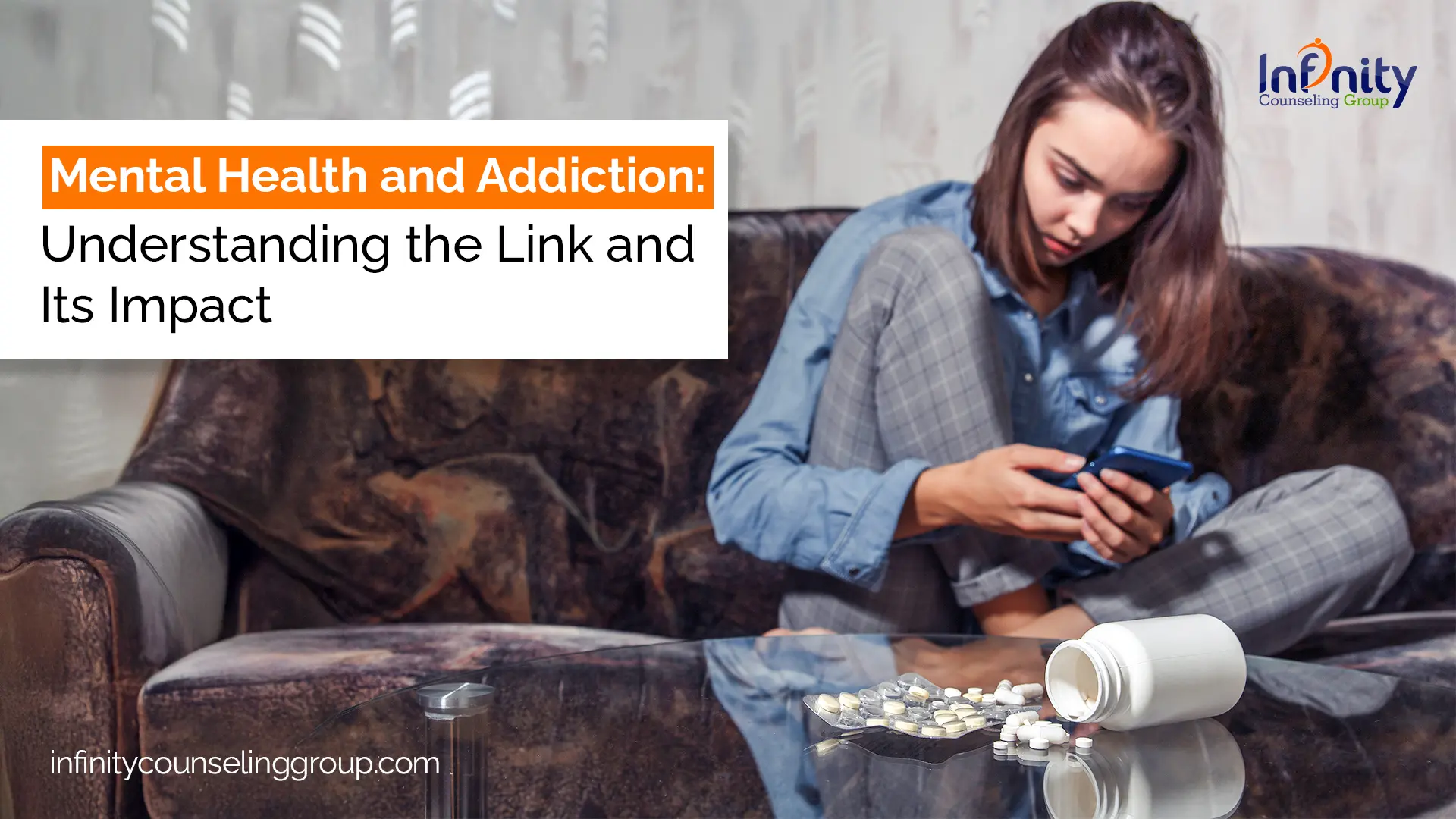
Addiction doesn’t happen in isolation, and neither do mental health struggles. For many individuals, mental health and addiction influence each other in complex, often overwhelming ways. Someone may turn to substances to cope with stress or trauma, while others develop anxiety, depression, or mood changes because of prolonged drug or alcohol use.
Understanding this connection is the first step toward effective recovery. Whether you’re supporting a loved one or navigating your own healing journey, knowing why these conditions interact can help you seek the right support sooner.
What Is the Relationship Between Mental Health and Addiction?
Mental health and addiction are deeply intertwined. Experts often refer to this as a co-occurring disorder or dual diagnosis. When mental illness and addiction exist together, each one intensifies the other.
Several factors create this link:
1. Self-Medication
People experiencing anxiety, depression, or trauma may use drugs or alcohol to ease emotional pain. Over time, this coping method becomes a dependency.
2. Changes in Brain Chemistry
Drug use can alter the brain chemicals responsible for mood, decision-making, and impulse control. This increases the likelihood of developing a mental health disorder.
3. Shared Risk Factors
Both conditions share common contributors like genetics, childhood trauma, environmental stress, and chronic instability.
Because the two are so interconnected, treating only one issue often leads to relapse. A combined approach, including therapy, mental health counselling, and skill-building, is essential for long-term recovery.
How Drugs Affect Your Mental Health
You don’t need to look far to understand how drugs affect your mental health. Substance use impacts the brain and body in predictable, and sometimes dangerous, ways.
Here’s how:
Mood Changes
Drugs like alcohol, stimulants, and opioids can trigger severe emotional highs and lows. As the brain becomes dependent, natural mood regulation weakens.
Cognitive Impairment
Decision-making, memory, and concentration decline with prolonged use. These changes may continue even after periods of sobriety.
Increased Anxiety or Paranoia
Many substances heighten anxiety, panic, or paranoia, especially in individuals already prone to these symptoms.
Worsening of Existing Conditions
Someone with depression may feel more hopeless. A person with PTSD may experience more intrusive thoughts. Addiction amplifies underlying issues.
Understanding drug use and mental health together helps individuals recognize patterns that may otherwise go unnoticed.
Mental Health Disorders Commonly Linked to Addiction
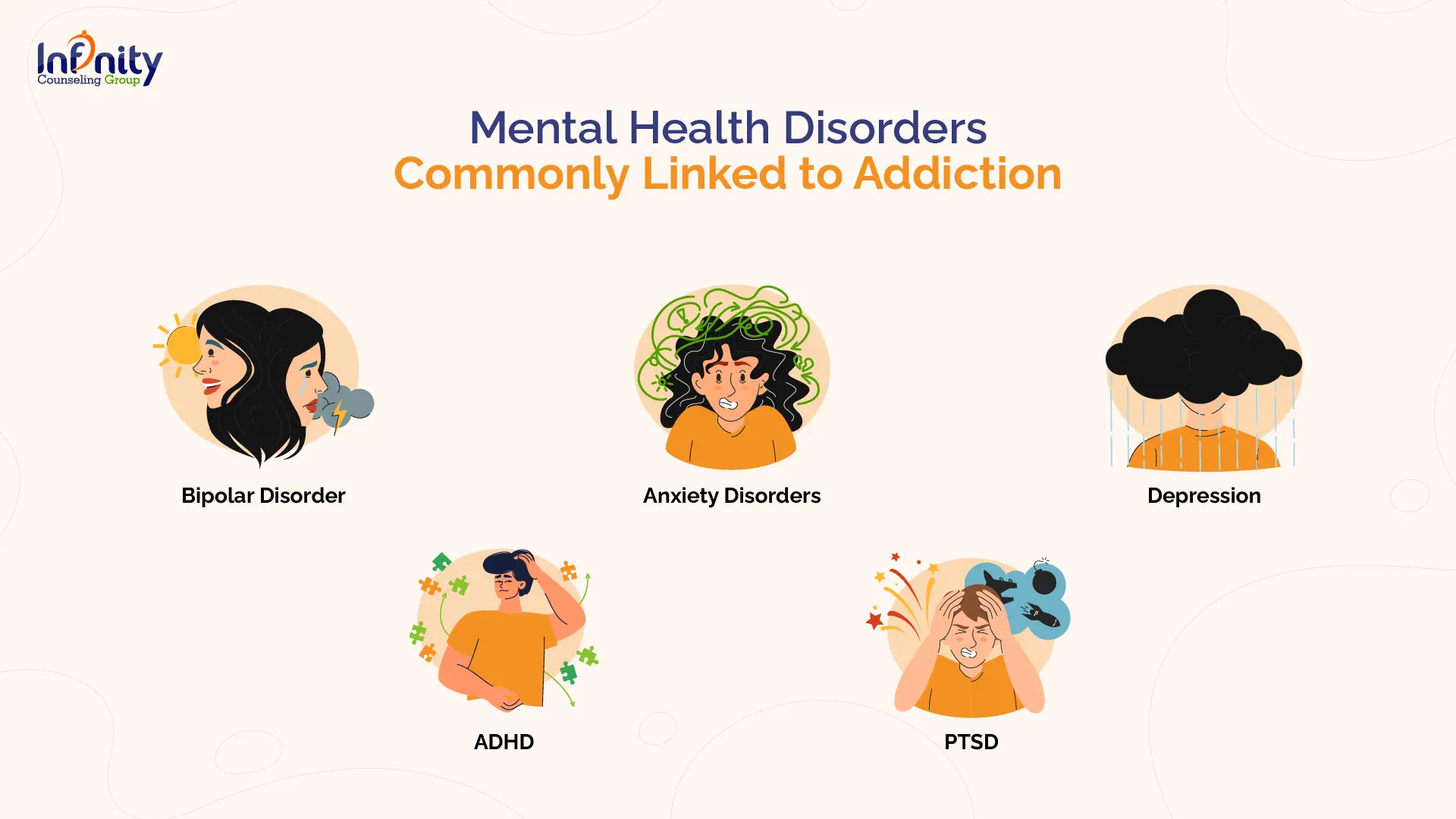
Co-occurring disorders are much more common than many realize. The most frequently linked mental illnesses include:
Depression
Individuals may turn to substances to escape sadness or numb emotional pain, leading to dependency.
Anxiety Disorders
Alcohol and cannabis are among the most commonly misused substances for coping with anxiety symptoms.
PTSD
Trauma survivors often engage in substance use to suppress memories, flashbacks, or chronic stress.
Bipolar Disorder
The intense emotional swings make individuals more vulnerable to substance misuse.
ADHD
Difficulty regulating attention and impulses can increase the likelihood of turning to drugs for stimulation or focus.
Understanding addiction and mental illness together allows families and providers to create more effective treatment plans.
Common Mental Effects of Drug Use
Drug use affects more than the body; it has profound psychological consequences. The mental effects of drug use may vary by substance, but commonly include:
- Persistent irritability or mood swings
- Difficulty functioning at work or home
- Sleep disturbances
- Feeling detached or emotionally numb
- Hallucinations or delusional thinking (in severe cases)
- Increased risk of self-harm
Ignoring these signs can allow addiction to escalate quickly, especially when combined with untreated mental health issues.
Signs Someone Is Experiencing Both Addiction and Mental Health Issues
Recognizing co-occurring disorders can be difficult, especially when the symptoms overlap. Look for:
- Sudden withdrawal from family, friends, or responsibilities
- Using drugs or alcohol to “cope” or “calm down.”
- Strong cravings or inability to control use
- Decline in daily functioning or self-care
- Extreme mood changes, paranoia, or impulsive behavior
- Difficulty managing stress, decisions, or emotions
- Frequent crises or hospitalization
If multiple symptoms occur together, it may indicate a deeper connection between mental illness and addiction that requires professional support.
How Mental Health Skill-Building Supports Recovery
Recovery becomes significantly more achievable when individuals have tools to manage their emotions, habits, and responsibilities. This is where mental health skill-building becomes incredibly important.
Skill-building focuses on strengthening:
Emotional Regulation
Clients learn practical strategies to manage anger, anxiety, or sadness without turning to substances.
Coping Skills
Therapists teach methods for handling triggers, stress, and cravings in healthy, productive ways.
Daily Living Skills
From hygiene to budgeting to medication management, building routine supports long-term stability.
Decision-Making
Better decisions lead to fewer crises and more consistent progress.
Independence
The goal is always sustainable recovery, not temporary stability.
Paired with mental health counselling, skill-building helps break the cycle of relapse by improving the person’s ability to handle life’s challenges.
When to Seek Professional Help
Reach out for professional care if you notice:
- Substance use is increasing over time
- Declining mental health despite efforts to cope
- Difficulty managing daily responsibilities
- Strained relationships and overwhelming stress
- Repeated relapses or inability to stop using alone
Seeking help early prevents long-term consequences and gives individuals the resources they need to heal.
Conclusion
The relationship between mental health and addiction is complex, but recovery is absolutely possible with the right support. Recognizing the signs, understanding the connection, and seeking comprehensive treatment can help individuals take back control of their lives.
If you or a loved one is struggling, Infinity Counseling Group is here to help you rebuild stability with compassion, evidence-based care, and personalized support.
Take the First Step Today
Strengthen your mental health. Reclaim your life.
Contact Infinity Counseling Group to learn how our mental health skill-building and counseling services can support long-term recovery.
Start your healing journey, reach out today.