

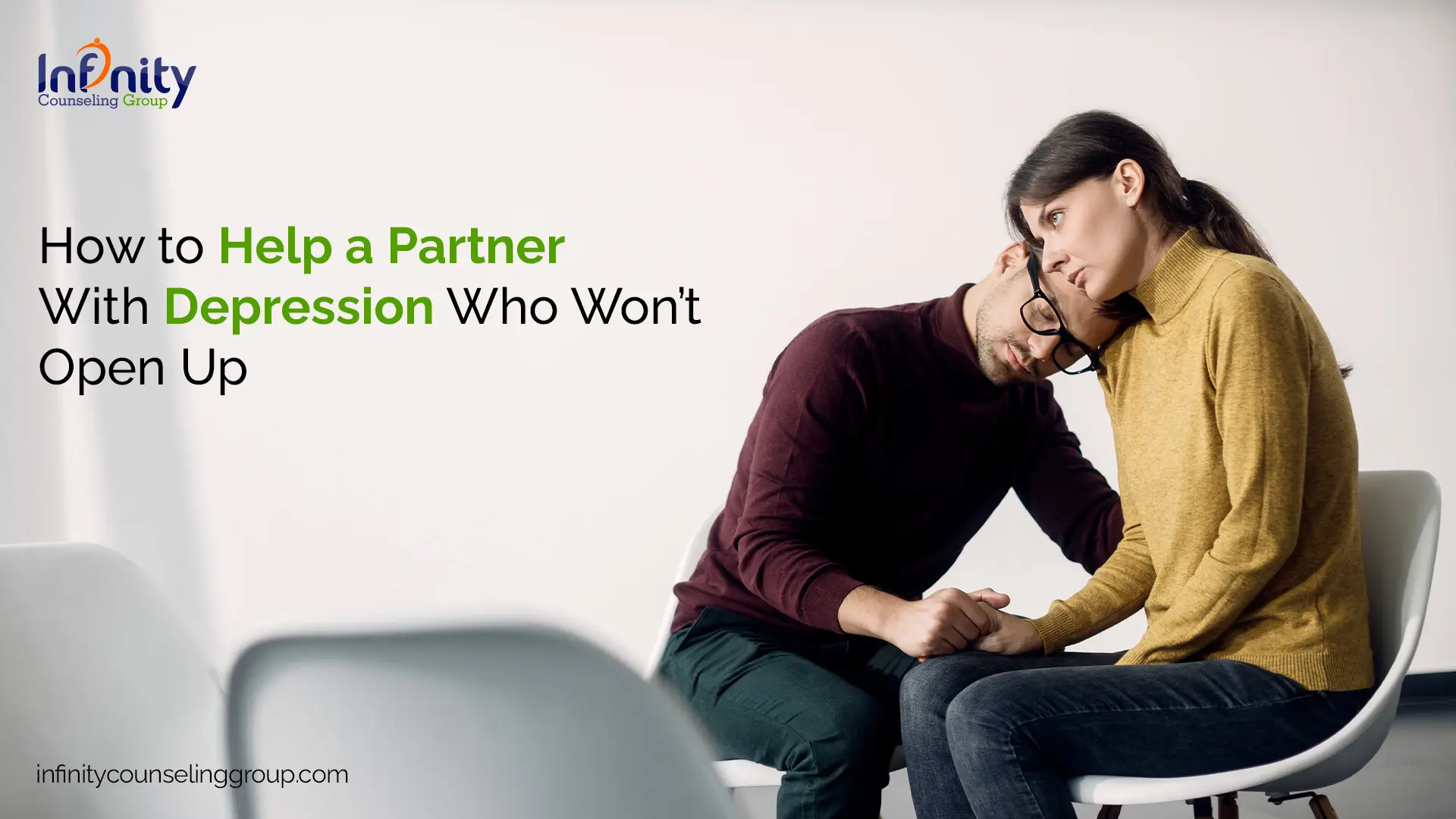
When someone you love begins to pull away emotionally, it can leave you feeling confused, helpless, and even rejected. If you’ve found yourself thinking, “My partner is depressed, but they won’t talk to me,” you’re not alone.
Understanding how to help a partner with depression, especially one who shuts down, requires patience, awareness, and the right kind of support. Depression doesn’t just affect one person; it impacts the entire relationship.
Let’s talk about what’s really happening and what you can do in a way that truly helps.
Understanding Depression in Relationships
Depression in relationships often shows up quietly at first. Your partner may seem distant, irritable, tired, or emotionally unavailable. Conversations may feel shorter. Affection may decline. You may feel like you’re walking on eggshells.
Depression is not simply sadness. Clinical depression affects mood, motivation, energy, thinking patterns, and even physical health. According to the World Health Organization, depression is one of the leading causes of disability worldwide, meaning many couples are quietly navigating this challenge.
When you’re living with a depressed partner, it can feel like the person you once knew is slowly retreating.
Signs Your Partner May Be Depressed
Sometimes it’s not obvious. Here are common signs your partner is depressed:
- Emotional withdrawal in relationships
- Loss of interest in activities they once enjoyed
- Changes in sleep or appetite
- Irritability or unexplained anger
- Persistent fatigue
- Feelings of hopelessness or worthlessness
You may notice subtle patterns before they do. If you’ve been searching for how to help a depressed partner, it likely means you’re already observing changes.
Why a Depressed Partner May Not Want to Talk
One of the hardest parts of supporting a partner with depression is when they refuse to open up.
Here’s why that might happen:
1. Shame
Many people feel embarrassed about their depression. They may believe they’re “burdening” you.
2. Emotional Numbness
Depression can create emotional shutdown. It’s not that they don’t trust you; they may struggle to access their own feelings.
3. Fear of Judgment
Even supportive partners can unintentionally say things that feel dismissive.
4. Exhaustion
Depression drains mental energy. Talking may feel overwhelming.
Understanding this can shift your approach from frustration to empathy.
What Not to Do When Your Partner Is Depressed
When you love someone, your instinct is to fix the problem. But certain responses can unintentionally create distance.
Avoid:
- Saying “Just think positive.”
- Taking their withdrawal personally
- Forcing conversations
- Giving constant solutions instead of listening
- Ignoring your own emotional needs
When thinking about how to help someone with depression, remember: depression isn’t solved by logic or pressure.
How to Support a Partner With Depression (That Actually Helps)
If you’re wondering how you can support someone with depression without pushing them away, here are practical steps:
1. Lead With Calm Presence
Instead of pushing them to talk, try sitting with them. Silence can feel safer than interrogation.
2. Use Gentle Language
Say: “I’ve noticed you seem overwhelmed lately. I’m here whenever you’re ready.”
This reinforces safety without pressure.
3. Encourage Professional Help
You don’t have to carry this alone. If you’re unsure about how to help depression, suggesting therapy can be a turning point.
Mental Health Outpatient Therapy provides structured, evidence-based care such as cognitive behavioral therapy and other therapies for depression that address root causes, not just symptoms.
4. Support Small Steps
Celebrate small wins, getting out of bed, attending work, and taking a short walk.
5. Take Care of Yourself
Helping someone with depression doesn’t mean sacrificing your own mental health.
Setting Healthy Boundaries While Being Supportive
There’s a difference between supporting and rescuing.
When living with a depressed partner, you may feel responsible for their mood. But you are not their therapist.
Healthy support includes:
- Encouraging professional treatment for major depression
- Maintaining your own social connections
- Being honest about your emotional limits
- Seeking guidance for yourself if needed
Boundaries don’t mean you are careless. They prevent burnout and resentment.
How Therapy Supports Both Partners
Depression affects couples as a system. That’s why professional support can benefit both individuals.
At Infinity Counselling Group, services like Mental Health Outpatient Therapy and Mental Health Skill Building are designed to help individuals and families navigate mental health challenges with structure and compassion.
Mental Health Skill Building focuses on:
- Emotional regulation tools
- Communication strategies
- Coping skills for daily stress
- Building resilience within relationships
Outpatient therapy may include evidence-based approaches for the treatment of major depression, improving communication patterns, and addressing emotional withdrawal in relationships.
If you’re unsure where to begin, visiting us at Infinity Counselling Group can provide clarity on available options and next steps.
Seeking help is not a sign of failure; it’s an investment in the relationship.
When Immediate Help Is Needed
If your partner talks about self-harm, expresses hopelessness about living, or shows severe behavioral changes, seek immediate professional support. Depression can escalate, and early intervention matters.
Conclusion
Loving someone with depression requires patience, empathy, and boundaries. Learning how to help a partner with depression is not about having perfect words; it’s about creating emotional safety while encouraging professional care.
You cannot force someone to open up. But you can remain steady, informed, and supportive.
If you’re feeling overwhelmed or unsure about your next step, Infinity Counselling Group offers compassionate care through Mental Health Outpatient Therapy and Mental Health Skill Building to support both individuals and couples facing depression in relationships.
You don’t have to figure out how to help someone suffering from depression alone. The right support can restore connection, rebuild communication, and bring hope back into your relationship.